

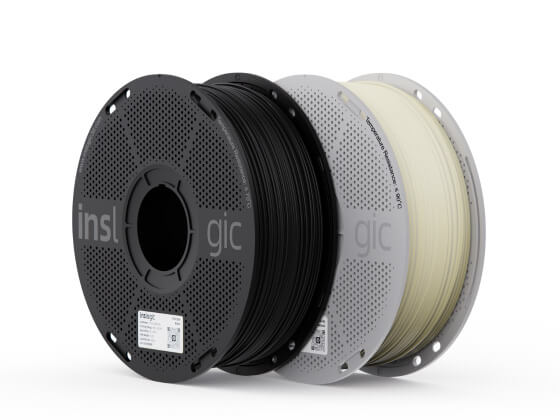



Engineering filaments are best chosen by how you’ll use the part—not by a single strength number. Start with the application (environment, load, chemicals, end-use vs prototyping), pick the most suitable material, then confirm with a small test print.
Below is a quick, practical mapping for five common options.
Quick Match: Application → Material
PC-ABS
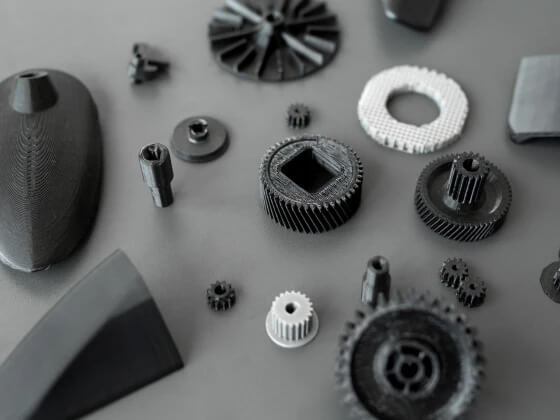
Best for: automotive parts, electronics housings, functional prototyping, tooling & gears.
Choose PC-ABS when you need: a balanced material for durable housings and parts that require a stable fit and everyday toughness.

Nylon PA6/66
Best for: functional prototypes, jigs & fixtures, parts resistant to oils, fuels & chemicals (application-dependent).
Choose Nylon PA6/66 when you need: tough, workshop-friendly parts—especially fixtures or components exposed to oils/grease.

PA6-CF
Best for: manufacturing, automotive, functional & structural parts.
Choose PA6-CF when you need: higher stiffness and structural performance for load-bearing builds (with proper process control).

PA6-GF25
Best for: automotive, tooling, functional & structural parts.
Choose PA6-GF25 when you need: durable engineering parts for tooling and real-use functional components.

PA12-CF
Best for: aerospace-style applications, end-use products, and mechanical components.
Choose PA12-CF when you need: a strong option for end-use builds and mechanical components where overall performance matters.

A Simple “Start Right” Test (Recommended)
If you’re deciding between 2–3 materials, keep the test consistent:
-
Dry first (especially nylon-based materials)
-
Print a small temperature check model
-
Print an adhesion/warp check strip
-
Print one real-use geometry (holes, brackets, thin walls)
-
Do a quick fit & stress check
This takes less time than re-printing failed parts later—and gives you a clear decision.
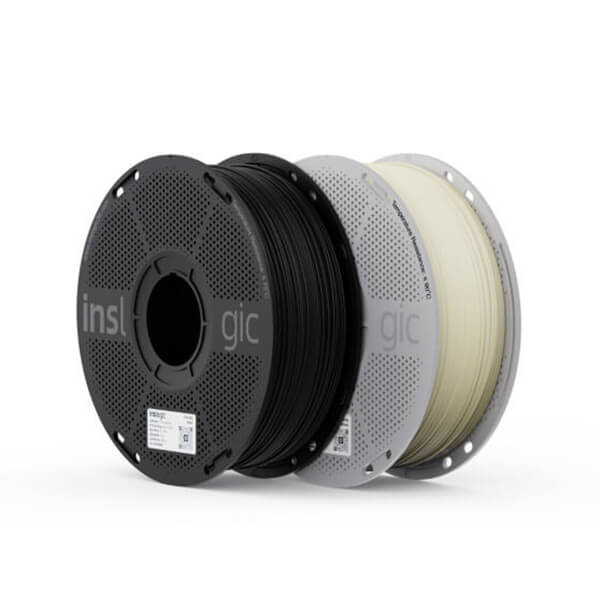
Start from the application, test small, then scale up confidently. If you’re unsure, begin with a sample coil and compare results side-by-side on your own printer.