

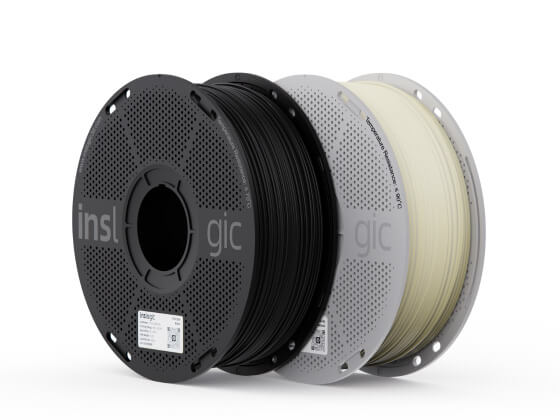
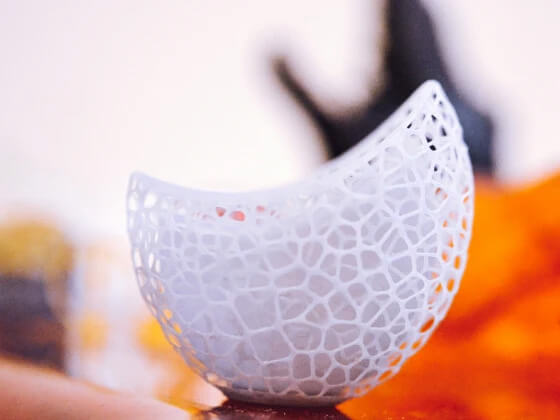

There is something undeniably satisfying about turning off the lights and seeing your 3D prints come to life. Whether it’s a glowing ghost for Halloween or functional night-markers, Inslogic Glow-in-the-Dark PLA is designed to bridge the gap between day and night.
But we often get asked: "Why do some prints glow brighter than others?" The answer lies in the charging source.
Which Light Makes Glow Filament the Brightest?
Not all light sources are created equal. To help you master the glow, we conducted a 30-second flow and charging test across four common light environments.
Watch the full experiment below:
The Charging Showdown: 3-Minute Test Results
We charged the same GITD 3D print for 3 minutes under different conditions. The brightness gap was staggering:
| Light Source | Intensity Rank | Effectiveness |
| Natural Indoor Light | ★☆☆☆☆ | Lowest brightness; slow charging. |
| LED Studio Light | ★★☆☆☆ | Better than ambient, but still dim. |
| Direct Sunlight | ★★★★☆ | Strong and effective charging. |
| UV (Ultraviolet) Light | ★★★★★ | The Winner. Wins by a mile. |

Pro Tip: If you want that "nuclear" glow intensity, UV light (or blacklights) is your best friend. It charges the phosphors in the filament almost instantly compared to standard LED bulbs.
The Magic Behind the Glow: How It Works
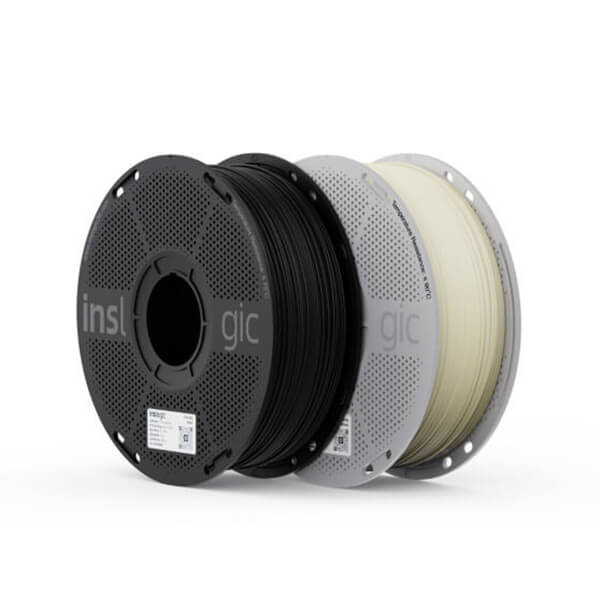
Our GITD PLA is a composite material that blends standard PLA with phosphorus-based glow powders.
-
Energy Absorption: The particles within the filament absorb photons from external light sources.
-
Phosphorescence: Once the light is removed, that stored energy is slowly released as visible light.
-
Longevity: Stronger and more concentrated light sources (like UV) "fill up" these energy buckets faster and more deeply.
Printing as an Artistic Exploration
Glow filament isn't just for toys; it's a tool for artistic exploration. You can manipulate the glow by adjusting your print settings:
-
Wall Thickness: Thicker walls mean more material and more glow particles, leading to a longer-lasting luminescence.
-
Infill Density: Higher infill can create a more solid, vibrant glow, while lower infill creates a more ethereal, "ghostly" look.
-
Color Variety: While classic "Glow Green" is the brightest, exploring Blue or Purple glow options can add serious depth to your dioramas.
Inspiring Applications
What should you print first? Here are some community favorites:
- Home Decor: Glowing stars, moon lamps, or light switch covers for kids' rooms.
- Outdoor Safety: Tent peg markers or keychain fobs for camping.
- Seasonal Props: Halloween ghosts, skulls, or spooky pathway markers.
- Functional Signage: Emergency exit signs or brand logos for the dark.
 Illuminate Your Next Project
Ready to start your nighttime adventure? Our GITD series is engineered for high-performance printing with minimal nozzle wear compared to cheaper alternatives.