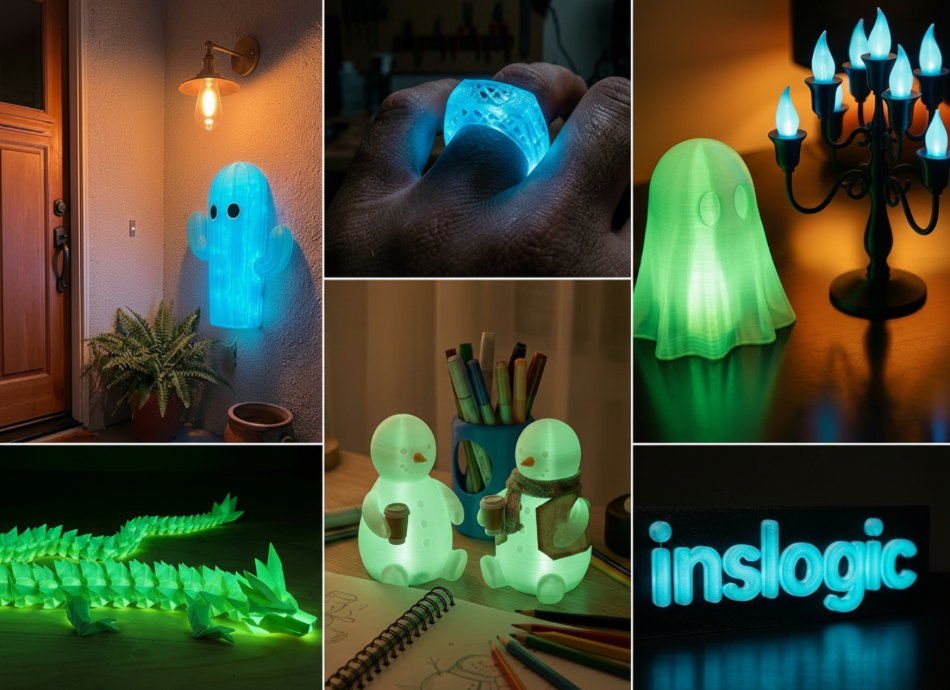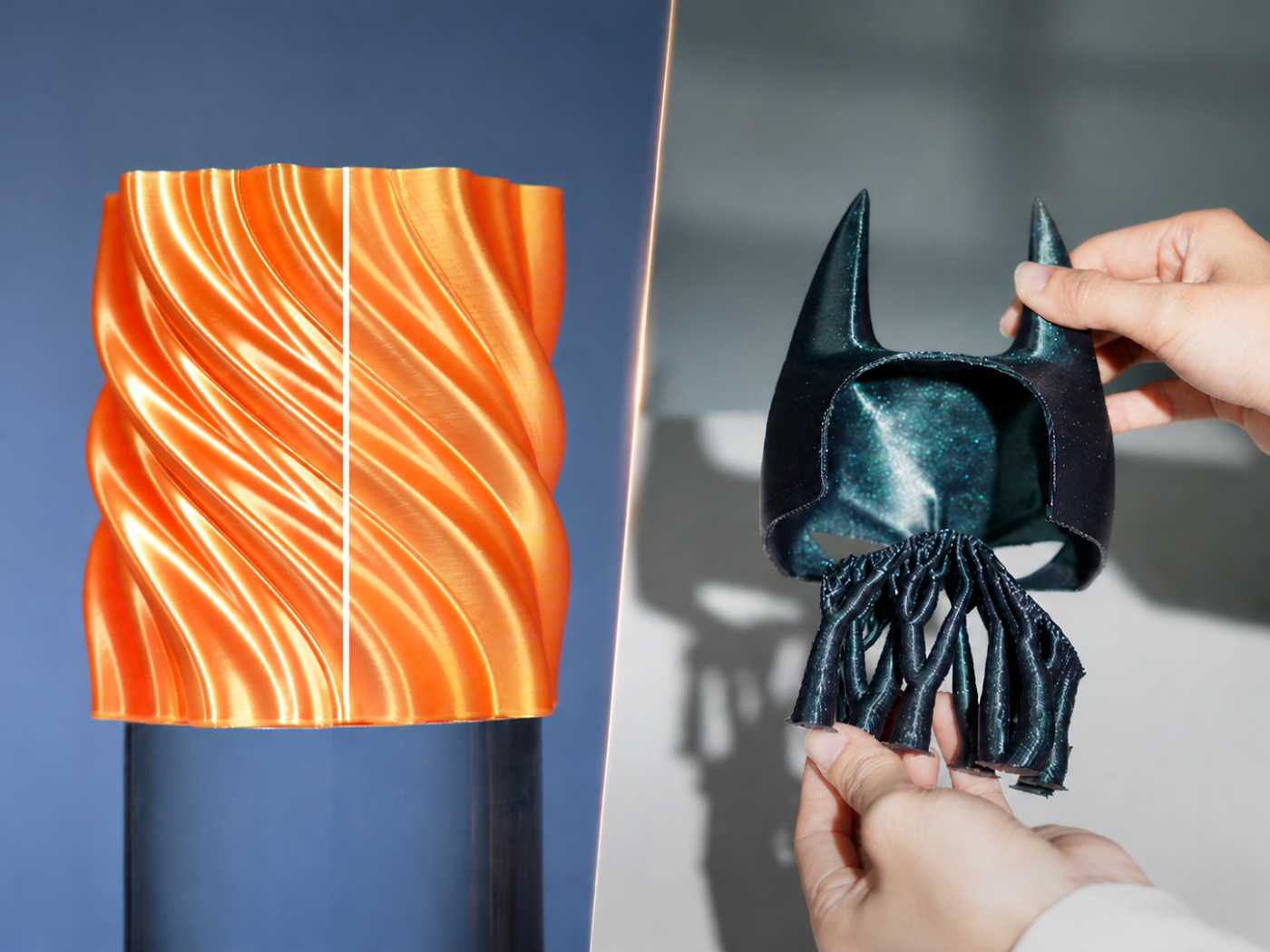




After the fantastic feedback on our first technical column, we are thrilled to continue building our permanent R&D library. Welcome to Inslogic Lab Notes Vol. 2.
While Vol. 1 covered structural and aesthetic basics, this month we are focusing on Advanced Troubleshooting. We have gathered three new technical highlights from our May lab tests to help you tackle common mid-print failures—ensuring that your workstation remains as efficient as possible.
1. The Warp Defense: How to Prevent Corner Lifting
Warping remains one of the most persistent challenges for makers. When your first layer lifts, the entire geometry of the part is compromised. Most people simply increase bed temperature, but our lab findings suggest a more nuanced 3-step routine.
By balancing plate chemistry, bed thermals, and specific adhesion tools, we have developed a foolproof method to keep your prints anchored. Stop losing prints to environmental shifts and start building on a reliable foundation.
Watch the definitive guide to stopping warping:
2. Flow Mastery: Printing Ultra-Thin Models Without Failure
Printing at the limit of layer height requires absolute control over material volume. In our May R&D tests, we found that even a 5% deviation in flow can ruin a thin-walled part. We have developed a "30-second flow test" to help you find the precise calibration for structural clarity and perfect lines.
Watch the breakdown for optimizing flow on complex designs:
3. PETG Calibration: Solving Adhesion and Stringing Issues
PETG is the go-to material for functional mechanical parts, but its "sticky" nature often leads to nozzle buildup and stringing. We have narrowed down the "Golden 4" steps—adjusting retraction, infill patterns, and travel logic—to ensure your functional parts are as clean as they are strong.
Unlock the professional settings for flawless PETG prints:
Build Better with Professional Supplies
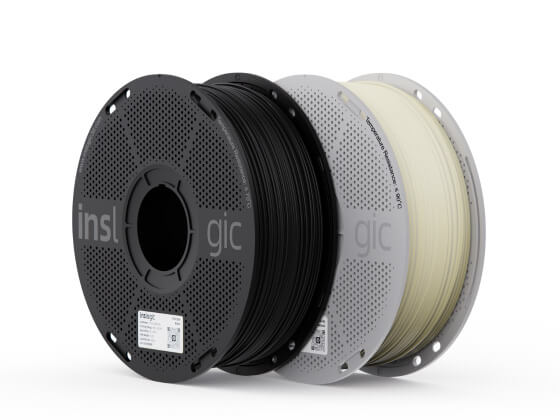
Technical hacks are most effective when paired with filaments designed for consistency. Our May updates are aimed at helping you push the limits of what our materials can achieve.
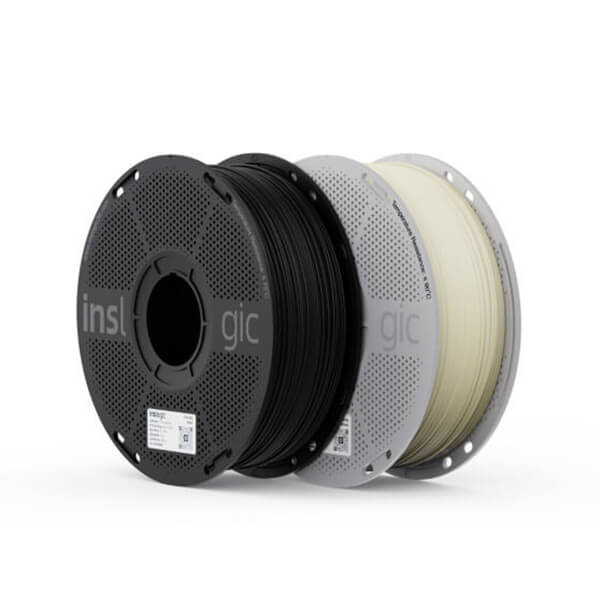
Browse our PETG Pro for your next mechanical build.